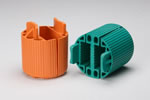
Volkmann designs and manufactures hygienic, explosion-proof pneumatic vacuum conveying systems to safely transfer powders, pellets, granules, tablets, and other bulk materials from one point in a process to another while safeguarding particle integrity. Proven worldwide in transferring foods, chemicals, pharmaceuticals, and more, the patented, automated conveyors eliminate the potential for...
Dynamic Air custom designs and manufactures a complete line of pneumatic conveying systems for dry bulk granular materials. Dynamic Air offers 16 different pneumatic conveying concepts, utilizing both pressure and vacuum, for handling a wide variety of dry bulk solids to provide a conveying solution that fits the process perfectly. Each system has its own unique set of operating characteristics...
Since 1946, Whirl-Air-Flow has been a leader in design, fabrication and service. Our pneumatic conveyors transport powders and dry granulars to one or more destination points. Our products serve a range of industries and are able to move flowable material. We have our own testing facility and also we provide customers with field support and services. If you would like more information please give ...
Founded in 1995, IEDCO specializes in custom-engineered powder handling solutions for the Pharmaceutical, Food, and Fine Chemical industries. From pneumatic conveying systems to comprehensive process designs, we deliver reliable, ergonomic, and innovative technologies. With decades of expertise and a client-focused approach, IEDCO is your single-source solution for tailored systems to enhance...
At Akona Process Solutions, we take pride in designing and delivering pneumatic conveying systems that keep bulk material handling safe, efficient, and reliable. We have built our expertise around developing equipment that moves powders, granules, and other bulk solids with precision, minimizing downtime and maximizing productivity for our customers.
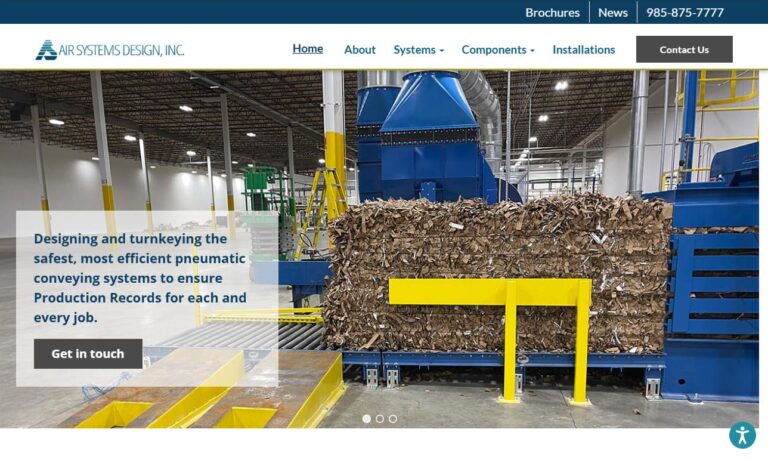
When it comes to pneumatic conveying, Air Systems Design has been in business since 1984, a family owned business. Is dedicated to providing only the highest quality dust and baling systems available. Our team works together to ensure that we bring you the most technologically advanced products on the market, as well as that our company stays on the forefront of innovation at all times. To learn...

More Pneumatic Conveyor Manufacturers
Applications
Pneumatic conveyors are specialized material handling systems designed to efficiently transport small, dry objects—such as granular materials, powders, and fine particulates—over both short and extended distances within manufacturing and processing environments. Typical applications include the movement of plastic pellets, talc, alumina, fly ash, coffee, seeds, grain, flour, sugar, and other dry bulk materials. These conveyors are not suitable for slurries, cements, or liquids, as their operational principle relies on the flow of air or another gas to move solids within a closed system.
Pneumatic conveying technology is widely adopted across many industries due to its ability to provide a contamination-free and secure method of material transportation. Major sectors utilizing pneumatic conveyors include food and beverage processing, pharmaceuticals, mineral extraction, chemical manufacturing, plastics, power generation, and petrochemical industries. Pneumatic conveying systems have largely replaced less effective mechanical conveyors for these applications, as they offer improved material containment, reduced risk of product degradation, and enhanced workplace safety.
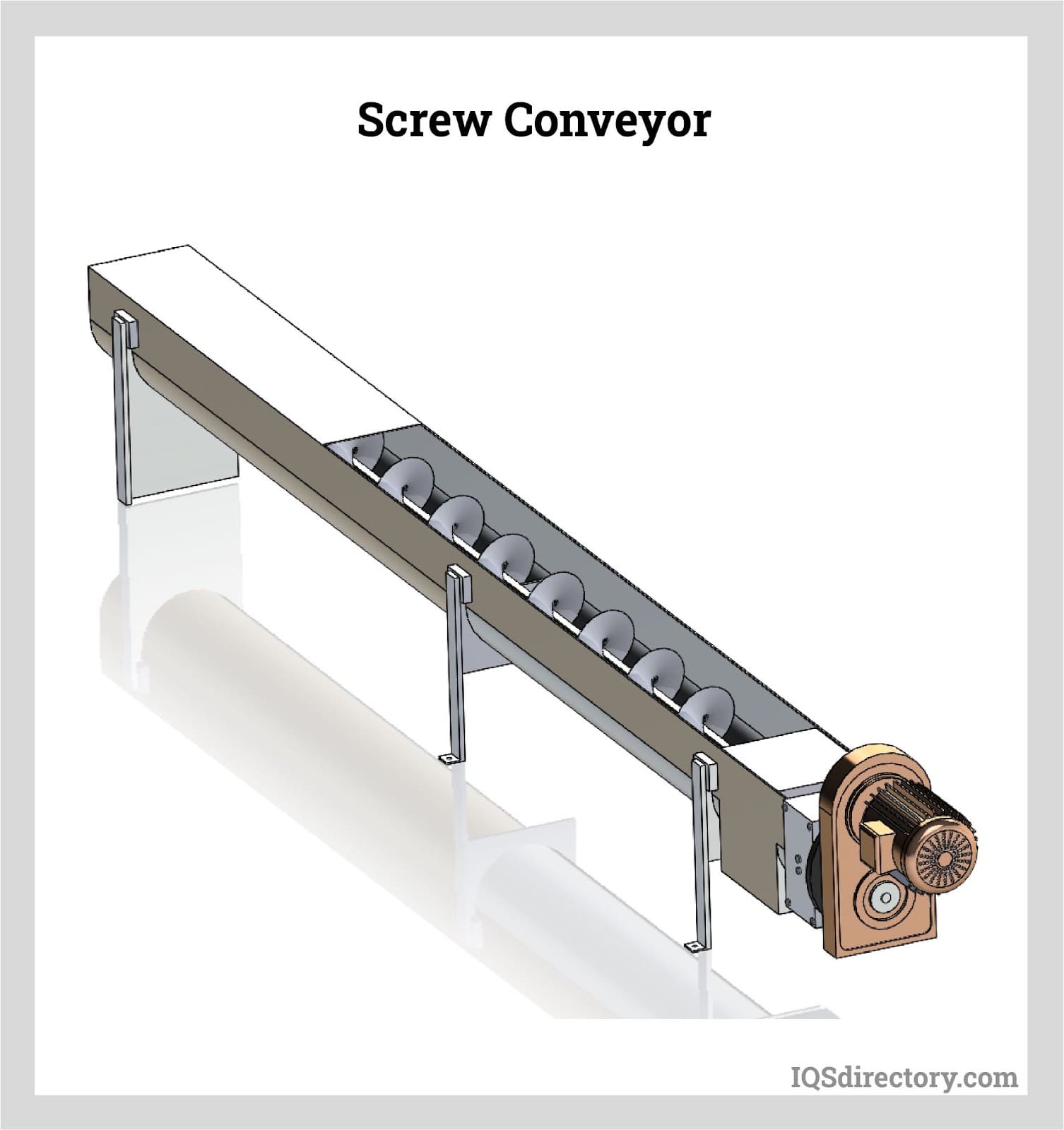
Unlike conventional mechanical conveyor systems—such as belt conveyors, screw conveyors, bucket elevators, or vibrating conveyors—which use spinning rollers, vibrating plates, and moving belts to transport larger, heavier materials, pneumatic conveyors are engineered specifically for the safe, efficient, and dust-free movement of smaller particles and fine powders. This makes them indispensable in environments where product purity, sanitation, and containment are critical.
Common Pneumatic Conveyor Uses:
- Bulk powder transfer in chemical processing plants
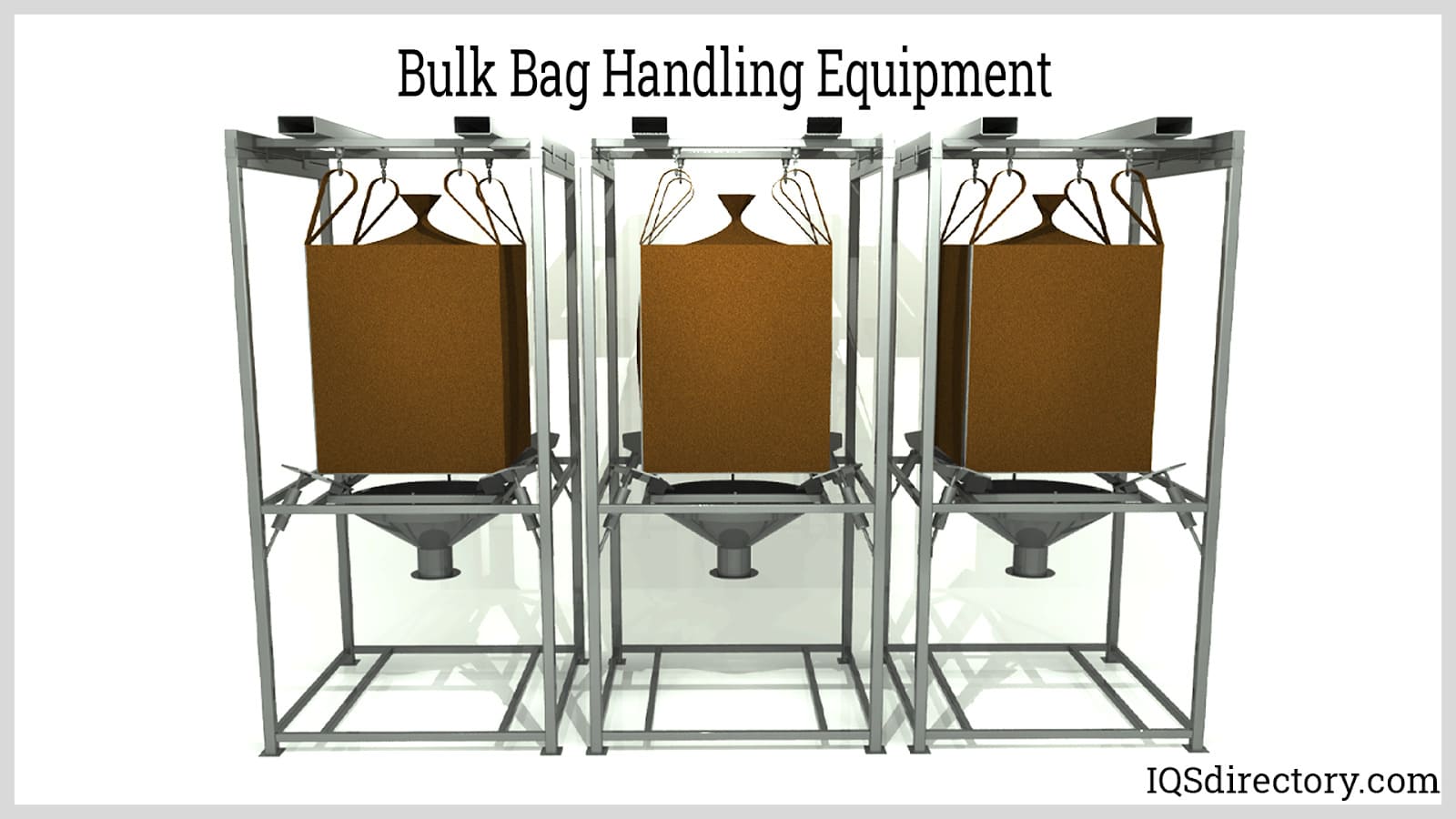
- Bulk bag unloading and silo discharge in food manufacturing
- Railcar unloading and truck loading in grain handling facilities
- Tablet and capsule transport in pharmaceutical production
- Automated ingredient dosing in bakery and beverage plants
- Fine dust collection and hazardous material transfer in mining and mineral processing
- Plastic resin movement in injection molding and extrusion plants
Are you researching the best type of conveyor for your application? Compare pneumatic conveyors to belt, screw, and tubular drag conveyors—explore their pros, cons, and suitability for your industry.
History
The evolution of pneumatic conveying systems reflects decades of engineering innovation. The first documented use of pneumatic transport dates back to the early 1950s in Germany, where Gasterstadt conducted experiments with 100-meter horizontal pipes, introducing the concept of the pressure drop flow meter system. This breakthrough established the foundation for utilizing air pressure to move solid materials through pipelines.
During the 1960s, professors Rumpf and Barth at the Karlsruhe Institute of Technology (formerly Karlsruhe University) advanced the field, devising key techniques for predicting material flow behavior and optimizing system design. At the same time, a pioneering student group at Nagoya University in Japan addressed challenges involving vertical and multi-level pneumatic transport, leading to significant technological innovations that shaped subsequent generations of conveying equipment.
Across the Atlantic, research and development efforts in the United States—particularly within the power generation sector—accelerated the advancement of pneumatic conveying. Collaborations with researchers from Cambridge University (UK) led to the formalization of two principal pneumatic conveying methodologies: dilute phase and dense phase conveying. These methods remain the core of industrial pneumatic conveying solutions deployed today.

Pneumatic Conveyors – VAC-U-MAX
How Pneumatic Conveyors Work
At their core, pneumatic conveyors utilize a controlled stream of air or inert gas—combined with pressure differentials—to propel powdered and dry bulk materials through an enclosed pipeline network. This movement is achieved by creating either a vacuum (negative pressure) or positive pressure gradient within the system.
Unlike traditional conveyor belts, pneumatic conveying systems operate entirely within sealed pipes or tubes, eliminating open transfer points and minimizing the risk of material loss, cross-contamination, and environmental pollution. The absence of moving parts along the conveying path makes pneumatic systems ideal for transporting fine powders and sensitive materials that could get trapped or damaged in mechanical conveyor components.
Key Operating Principles:
- Vacuum Conveying: Materials are drawn through the pipeline by negative pressure generated by vacuum pumps or blowers.
- Pressure Conveying: Materials are pushed through the pipeline by positive air pressure supplied by compressors or fans.
- Combination Systems: Some advanced pneumatic conveying systems utilize both vacuum and pressure zones for maximum efficiency and flexibility.
Curious about which pneumatic conveying principle is best for your process? Ask: Should I choose vacuum or pressure conveying for my bulk material?
Types of Pneumatic Conveyors
Pneumatic conveyor systems are broadly classified based on their operating speed, pressure, and material loading into the airstream. The three primary types are dilute phase, dense phase, and lean phase pneumatic conveyors. Understanding these categories can help you identify the most suitable system for your application.
Dilute Phase Conveyor
In a dilute phase conveyor, dry bulk materials or powders are suspended in a fast-moving airstream (typically above 3,000 feet per minute). The high-velocity air keeps particles from settling, resulting in continuous, low-pressure, and high-velocity transfer. Dilute phase systems are ideal for moving lightweight, non-abrasive materials such as flour, sugar, and plastic pellets over long distances and around multiple bends.
Key Features:
- Suitable for non-abrasive, free-flowing materials
- Capable of long-distance and multi-point transfer
- Lower capital investment and simpler maintenance compared to dense phase systems
Wondering if dilute phase is right for you? Explore: When should you choose dilute phase vs. dense phase pneumatic conveying?
Dense Phase Conveyor
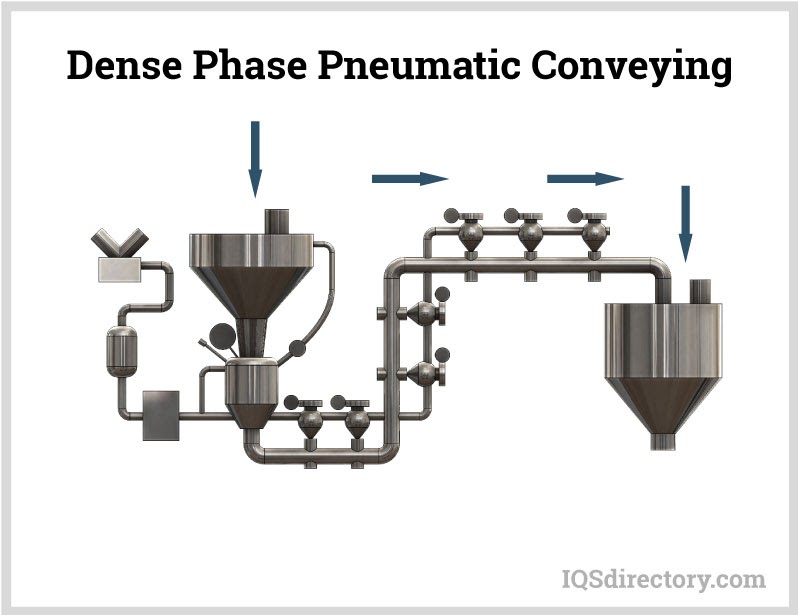
Dense phase conveyors operate at low velocities (typically below 1,000 feet per minute) and higher pressures. Instead of suspending particles in the airstream, these systems gently push or pull slugs of material through the pipeline. This approach minimizes product degradation and wear, making dense phase conveying ideal for abrasive, friable, or high-bulk-density materials such as cement, sand, sugar crystals, or pharmaceuticals.
Key Features:
- Reduces product breakage and dust generation
- Handles abrasive, fragile, or high-density materials
- Enables longer intervals between maintenance, reducing operating costs
Trying to optimize for gentle handling? Ask: What are the benefits of dense phase conveying for delicate or abrasive products?
Lean Phase Conveyor
Lean phase conveying, sometimes considered a subset of dilute phase, operates under lower pressure and air velocity than traditional dilute phase systems. Lean phase pneumatic conveyors are versatile, cost-effective, and suitable for a wide variety of materials, from fine powders to granules, and can be designed for either pressure or vacuum operation. They are especially effective where moderate conveying speeds and gentle handling are desired.
Other Specialized Pneumatic Conveyor Types:
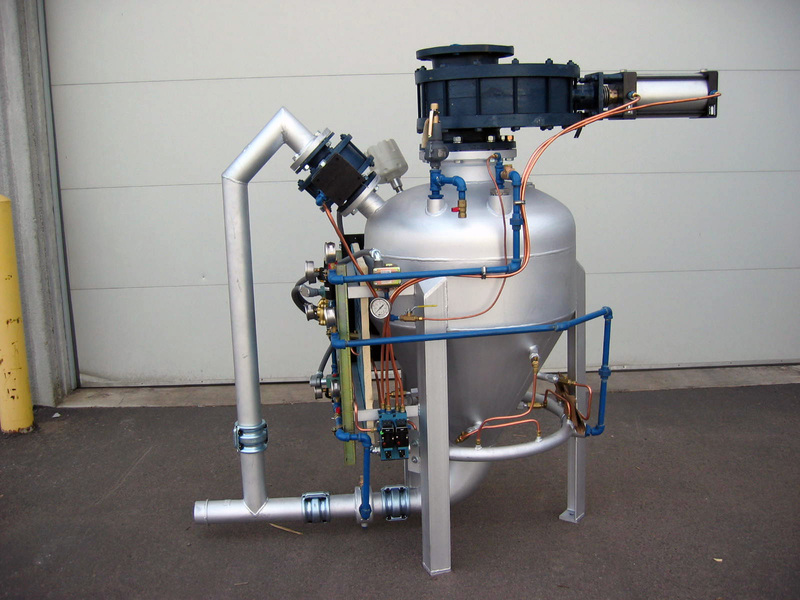
- Pressure Conveyor: Utilizes a self-contained pressure vessel system, ideal for moving large volumes of abrasive or heavy materials over extended distances. Pressure conveyors can be integrated with existing plant equipment and are prized for their reliability and scalability.
- Food Handling Conveyor: Designed to meet stringent food safety and hygiene standards, these conveyors are constructed from food-grade materials and engineered for easy cleaning. They are essential for transporting edible powders, granules, and ingredients such as flour, cocoa, spices, and dairy powders.
- Mobile Conveyor: Featuring casters for portability, mobile pneumatic conveyors can be quickly repositioned to serve multiple discharge points or production lines. They are invaluable in dynamic manufacturing environments, such as grain elevators, batch processing, or flexible packing lines.
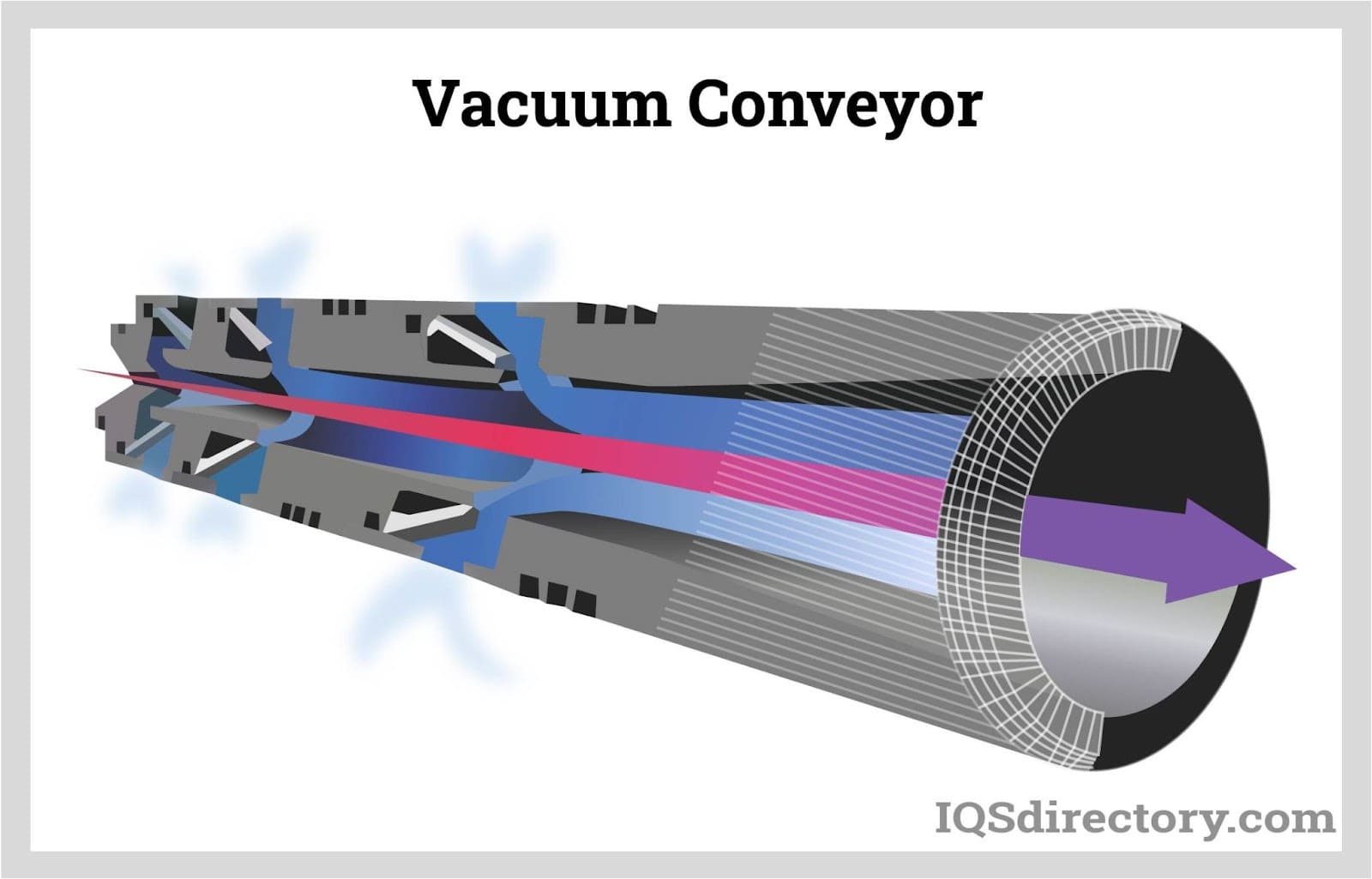
- Vacuum Conveyor: Employing compressed air-driven vacuum pumps, vacuum conveyors automatically transfer materials from bins, silos, or hoppers to process equipment. These systems minimize manual handling, reduce dust emissions, and are well-suited for sensitive or hazardous applications.
Not sure which pneumatic conveyor type best fits your use case? Compare dense phase, dilute phase, and vacuum conveyors for your specific application.
Equipment Components
A robust pneumatic conveying system consists of several essential components, each playing a critical role in safe, efficient, and reliable material transfer. Understanding these elements helps you evaluate system quality and suitability for your process.
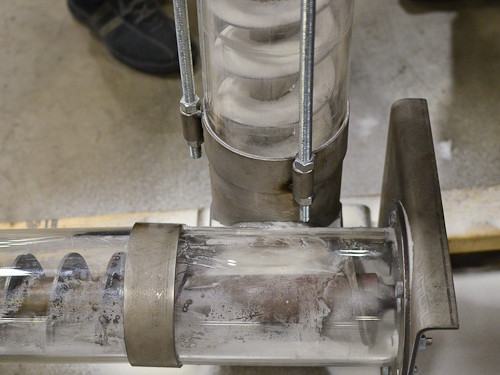
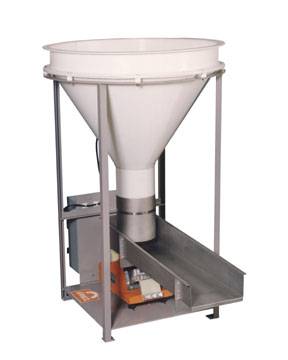
- Feed System: Responsible for introducing material into the airstream, typically via rotary airlock valves, screw feeders, or venturi feeders. Ensures consistent dosing and minimizes backflow of air.
- Conveyor Line (Conduct Line): The network of pipes or tubes (often fabricated from stainless steel, carbon steel, or abrasion-resistant alloys) that transports materials from origin to destination.
- Gaseous Flow Equipment (Air Mover): Includes blowers, compressors, or vacuum pumps that generate the required air or gas flow. Positive displacement blowers are common for their precision and efficiency.
- Solid-Gas Separation Equipment: Devices such as cyclones, centrifugal separators, jet filters, or baghouses separate the conveyed solids from the air stream at the delivery point, allowing for dust-free collection.
- Auxiliary Components: Dust collection systems, diverter valves, chutes, rotary valves, bin vent filters, end receivers, and termination vessels maximize process control and system flexibility.
Proper system design—including selection of pipe diameter, air velocity, and filtration technology—is key to maximizing efficiency and minimizing maintenance.
Benefits of Pneumatic Conveyors
Pneumatic conveyors offer a host of advantages over mechanical conveying systems such as tubular drag, screw, or belt conveyors—making them the preferred choice for many bulk material handling applications.
Key Benefits:
- Product Integrity: With no belts or chains, pneumatic conveyors gently handle materials, reducing risk of product degradation, breakage, or contamination.
- Dust and Containment: Fully enclosed design prevents product leakage, critical for handling hazardous, toxic, or volatile powders. Ideal for industries with strict dust control or explosion risk (ATEX compliance).
- Sanitation: Smooth, crevice-free pipelines and minimal moving parts make cleaning and sanitization straightforward—crucial for food processing, pharmaceutical, and nutraceutical applications.
- Safety: Eliminates manual handling, reduces spillage, and enhances workplace safety. No exposed belts or mechanical elements to pose injury risks.
- Space Efficiency: Pneumatic pipelines can navigate tight corners, vertical lifts, and multi-floor layouts—making them ideal for facilities with limited space or complex layouts.
- Flexibility: Systems are easily scalable and reconfigurable, accommodating changes in production flow, capacity, or plant layout.
- Energy Efficiency: Properly designed pneumatic systems can be highly energy efficient, especially for long-distance or multi-point transfer of light bulk materials.
Want to maximize your production efficiency? Discover how pneumatic conveyor systems reduce downtime, maintenance, and contamination risk in your facility.
Design and Customization
Designing an effective pneumatic conveyor system requires a deep understanding of both the conveyed material and the process environment. Leading pneumatic conveyor manufacturers and system integrators take into account multiple engineering factors to deliver custom solutions that maximize performance, reliability, and ROI.
Key Design Considerations:
- Material Characteristics: Particle size, shape, abrasiveness, moisture content, temperature, and cohesiveness all impact system design.
- Conveying Distance and Routing: Total pipeline length, number of bends, vertical lifts, and inter-building connections influence air velocity and pressure requirements.
- Conveying Rate: Required throughput (lbs/hr or tons/hr) determines blower size, pipe diameter, and air mover selection.
- Power and Utility Constraints: Available compressed air, power supply, and energy efficiency requirements impact equipment choices.
- Cleanability and Maintenance: For industries with strict hygiene requirements, system design emphasizes easy access for cleaning, CIP (Clean-in-Place) compatibility, and minimal retention zones.
- Integration: Systems may need to interface with upstream and downstream equipment, such as silos, hoppers, mixers, packaging lines, or dust control systems.
Manufacturers offer a range of customization options, including modular system configurations, specialized materials of construction (such as stainless steel for food and pharma applications), explosion-proof components, and automated controls. Installation can be tailored to fit complex plant layouts, span multiple floors, or connect separate buildings.
Need a custom solution? Contact a pneumatic conveyor manufacturer to discuss your unique process requirements and explore tailored system options.
Safety and Compliance Standards
Safety and regulatory compliance are paramount in pneumatic conveying systems, particularly in industries with stringent health, environmental, and product safety requirements. All pneumatic conveyor designs must initially meet OSHA standards, ensuring the safety of operators and maintenance personnel.
Relevant Safety Standards:
- OSHA (Occupational Safety and Health Administration): U.S. standards for workplace safety in industrial settings.
- ASME B20.1-2015: Comprehensive guidelines for the design, construction, installation, operation, and maintenance of conveyors and related equipment.
- ISO 7149:1982: International safety regulations for conveyor equipment.
- BS EN 1366-7:2004: British/European standard for fire resistance in conveyor systems and closures (also available as DIN, ON, or SS).
- BS EN 620:2002+A1:2010: Standards for EMI shielding and safety requirements for continuous handling equipment for bulk materials.
- BS EN 618:2002+A1:2010: Additional European safety requirements excluding belt conveyors.
- ANSI: General U.S. standards for conveyor safety and performance.
For food and beverage, pharmaceutical, or military applications, additional compliance with FDA, USDA, GMP, EHEDG, and other sector-specific regulations is required. For more information, consult directly with a recognized leader in your industry or seek a system integrator with extensive experience in regulated environments.
Have a compliance question? Ask: What standards must my pneumatic conveyor meet for food/pharma/military applications?
Things to Consider When Choosing a Pneumatic Conveyor
Selecting the right pneumatic conveyor system for your process can feel complex due to the variety of available technologies, materials, and configurations. Partnering with experienced pneumatic conveyor manufacturers and suppliers is critical to achieving a solution that matches your technical requirements, budget, and operational goals.
Steps to Choosing the Right Pneumatic Conveyor:
- Define Your Needs: Create a detailed list of your material characteristics, throughput, required conveying distance, and any industry-specific requirements (e.g., food safety, explosion-proofing).
- Research Manufacturers: Review profiles of leading pneumatic conveyor manufacturers and suppliers. Evaluate their experience, industry focus, and range of products (see links throughout this page).
- Request Proposals: Narrow your list to three or four manufacturers and contact them to discuss your project. Prepare to share your requirements and ask about their lead times, pricing, delivery options, and value-added services such as material testing or system commissioning.
- Compare Solutions: Analyze proposals based on technical fit, reliability, after-sales support, and the manufacturer’s ability to customize systems to your application.
- Finalize Supplier: Choose the manufacturer that inspires the most confidence, demonstrates in-depth knowledge, and commits to delivering the optimal solution.
Looking to streamline your selection process? Explore our curated list of pneumatic conveyor manufacturers and request a quote for your specific application.
Frequently Asked Questions About Pneumatic Conveyors
What is the difference between dilute phase and dense phase pneumatic conveying?
Dilute phase systems suspend particles in a high-velocity airstream for rapid, long-distance transfer of light materials, while dense phase systems move slugs of material at low velocity and high pressure, minimizing product degradation and wear.
How do I determine the best pneumatic conveyor for my material?
Consider factors such as material abrasiveness, particle size, required transfer distance, throughput, and industry regulations. Consulting with a specialist manufacturer or system integrator can help you make the right choice.
Are pneumatic conveyors energy efficient?
When properly designed, pneumatic conveying systems can be highly energy efficient, especially for transporting light materials over long distances. Variable frequency drives and optimized blower sizing help reduce power consumption.
Can pneumatic conveyors be integrated with other automated systems?
Yes. Pneumatic conveying systems can be seamlessly integrated with upstream and downstream equipment, such as mixers, silos, packaging lines, robotic handling systems, and process controls for increased automation and productivity.
What maintenance is required for a pneumatic conveyor?
Routine inspections of air movers, filters, valves, and seals are recommended. Thanks to their minimal moving parts and enclosed design, pneumatic conveyors generally require less maintenance than mechanical alternatives.
How do pneumatic conveyors support hygiene and contamination control?
Their fully enclosed pipelines prevent dust escape and product contamination. CIP-compatible designs, smooth surfaces, and rapid disassembly features facilitate thorough cleaning—critical for food, beverage, and pharmaceutical applications.
Where can I learn more or request a quote?
Visit our list of pneumatic conveyor manufacturers to connect with leading suppliers, request custom quotes, or schedule a system consultation tailored to your project.
Conclusion
Pneumatic conveyor systems have revolutionized the way industrial and manufacturing facilities handle bulk powders and dry materials. By leveraging air or gas flow within enclosed pipelines, these systems deliver safe, efficient, and contamination-free material transfer. Their versatility, scalability, and compliance with rigorous industry standards make them a top choice for a broad range of applications—including food processing, pharmaceuticals, chemicals, plastics, and mining.
Ready to take the next step? Evaluate leading pneumatic conveyor manufacturers, compare system types, and discover how pneumatic conveying solutions can improve your operational efficiency, safety, and product quality.